Introduction
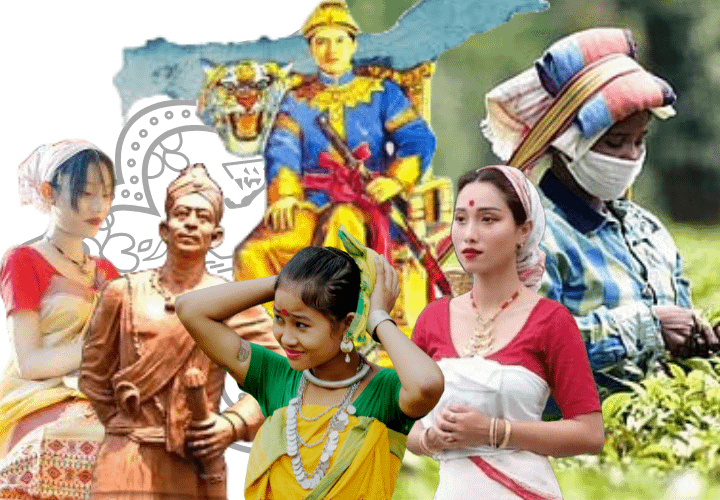
Assam stands at a historic crossroads. With the recent proposal to introduce a new category—Scheduled Tribe (Valley) or ST(V)—for six major communities, the state is witnessing a dramatic shift in identity politics, resource allocation debates, and constitutional processes.
The proposed beneficiaries are:
- Tai-Ahom
- Chutia
- Moran
- Matak
- Koch-Rajbongshi
- Tea Tribes (Adivasis)
This analytical blog breaks down why this move matters, the historical context, struggles for recognition, oppositions, future implications, and the terms and conditions required for inclusion.
1. Why This Move Is Important
The addition of ST(V) status is significant because it potentially reshapes Assam’s entire socio-political landscape. For decades, these communities have demanded recognition due to varying levels of socio-economic backwardness, identity loss, and lack of access to protected opportunities.
Why It Matters
- Access to Reservations in education and government jobs.
- Inclusion in Tribal Welfare Schemes for health, housing, livelihood, and scholarships.
- Political Representation Adjustments, including new reserved constituencies.
- Protection of Cultural Identity through constitutional safeguards.
- Economic Upliftment in regions historically left behind.
However, these benefits for some can create fear of benefit dilution among existing ST groups—resulting in state-wide debate.
2. Historical Overview of the Six Communities
Understanding history is key to understanding the claim for ST status.
● Tai-Ahom
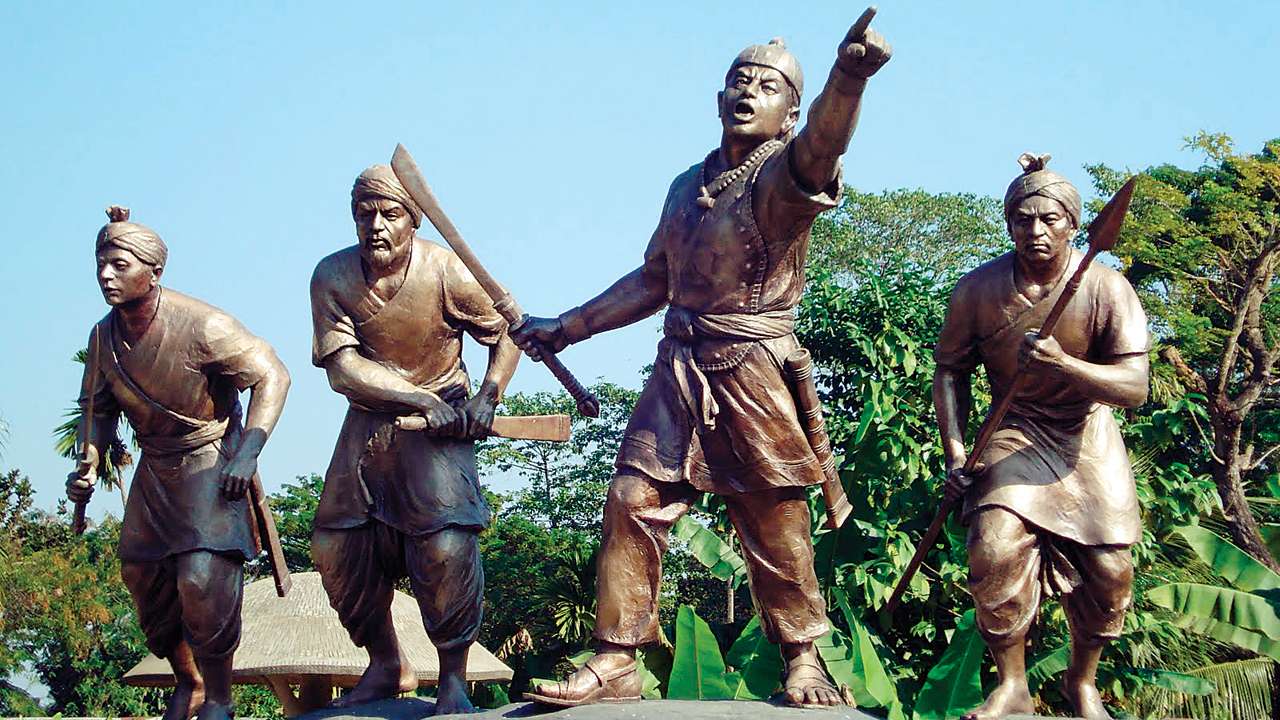
Descendants of the Tai-Shan migrations led by Sukaphaa in 1228, the Ahoms ruled Assam for six centuries. Although once rulers, certain sub-groups today face backwardness and loss of traditional land and identity.
● Chutia
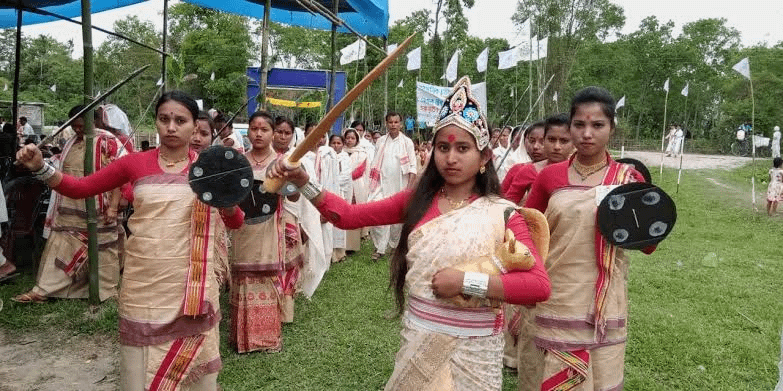
A historically powerful kingdom in Upper Assam predating the Ahoms. Despite their rich heritage, modern socio-economic disparities have fueled demands for recognition.
● Moran
An indigenous group deeply tied to Upper Assam, known for unique cultural and agrarian traditions. Many sections remain economically marginalised.
● Matak (Motok)
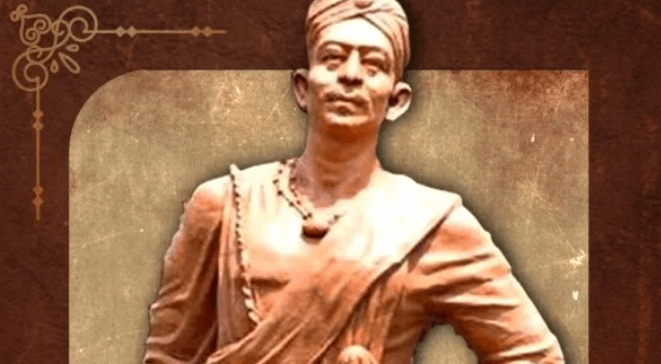
A community with its own historical polity and strong cultural identity. Many Matak-majority areas suffer from infrastructure and developmental gaps.
● Koch-Rajbongshi
A community connected to the medieval Koch Kingdom. Spread across Assam, Bengal, and parts of North Bengal, they have long demanded ST recognition.
● Tea Tribes (Adivasis)

Brought by the British from central India in the 19th century as plantation labourers, the Tea Tribes form a major workforce in Assam. Despite contributing significantly to the state economy, they remain one of the most socio-economically backward groups.
3. Their Struggle for ST Status
Each community has fought differently:
- Decades of protests, memorandums, and movements pushing for ST recognition.
- Political promises by different governments over the last 40 years.
- Repeated committees and reports highlighting backwardness.
- Mass representation movements, especially by the Koch-Rajbongshi and Tea Tribes.
- Identity protection campaigns, especially among Ahom, Chutia, Moran, and Matak groups.
Despite long efforts, constitutional hurdles and opposition from existing ST groups have delayed their inclusion.
4. Why the Proposal Was Opposed
The move has met strong opposition from existing tribal groups such as Mising, Bodo, Karbi, Dimasa, Rabha, Tiwa, and others.
Key Reasons:
- Dilution of Reservation Benefits:
Existing STs fear losing seats, jobs, and welfare share if large populations enter the same category. - Fear of Losing Cultural and Political Space:
Tribal leaders worry about being overshadowed by more populous groups. - Concerns Over Process:
Many tribal councils argue decisions were rushed without proper consultation. - Demographic Imbalance:
Adding communities with large populations could shift political equations in tribal-dominated regions. - Demand for Separate Sub-Categories:
This led to the creation of the new category ST (Valley)—aimed at protecting existing STs under ST (Plains) and ST (Hills).
5. What Difference Will Happen After Inclusion
If the ST(V) category gets formal constitutional approval, major changes will follow.
What Will Change:
- Access to ST reservation quotas in education and government recruitment.
- Eligibility for tribal-specific schemes, improving living standards.
- Better representation in Panchayats, Assemblies, and Parliament.
- Large-scale socio-economic upliftment among backward groups.
- Legal protection from exploitation, displacement, and discrimination.
What Will NOT Change Immediately:
- They will not instantly receive ST certificates.
- No benefits unless the Central Government amends the Constitution.
- No changes to reservation percentages until the Parliament decides.
6. Terms & Conditions for New Inclusion
Granting ST status follows a strict constitutional procedure.
A. State-Level Requirements
- Empirical socio-economic study.
- Anthropological evidence of distinct cultural identity.
- Community-wise backwardness data.
- Formal state cabinet recommendation.
B. Central-Level Conditions
- Ministry of Tribal Affairs evaluation.
- Presidential Notification under Article 342.
- An Act of Parliament amending the SC/ST Order.
- Clear certificate-issuing guidelines.
C. Structural Conditions Proposed by Assam (for fairness)
- Separate category ST (Valley).
- Sub-quotas to protect existing STs.
- Dedicated schemes for Tea Tribes and economically backward pockets.
7. The Future of These Communities
The outcome depends on political negotiation and legal steps over the next few years.
Optimistic Scenario:
- Parliament approves inclusion with separate ST(V) quotas.
- Large-scale development in tea belt and upper Assam.
- Improved literacy, employment, and health indicators.
Moderate Scenario:
- Legal challenges slow implementation.
- Protests continue.
- Partial rollout of benefits.
Pessimistic Scenario:
- Central government delays constitutional steps.
- Tribal unrest intensifies.
- Process becomes politically frozen.
The final outcome will depend on political consensus between Assam, tribal communities, and the Union Government.
Conclusion
The creation of the ST (Valley) category marks one of the most significant identity-related developments in Assam’s modern history. For some communities, it represents long-awaited justice. For others, it raises concerns about survival, resources, and dignity.
The final decision must balance:
- Social justice
- Protection of existing ST rights
- Constitutional integrity
- Long-term peace and harmony in Assam
Handled wisely, this could uplift lakhs of people. Handled poorly, it could lead to long-term unrest.