
It is with a heavy heart that we reflect on the untimely passing of Zubeen Garg, one of Assam’s most beloved voices and a cultural icon whose music has transcended regional boundaries. Zubeen Garg was not merely a singer; he was a phenomenon, a passionate creator who shaped and reshaped the soundscape of Northeast India while touching the lives of millions across the globe. With his sudden demise, an irreplaceable void has formed in the hearts of his fans, peers, and well-wishers—a loss that words can barely describe.

A Personal Tribute
Zubeen Daa, for me, was not just an extraordinary musician but a guiding light whose songs shaped my dreams, comforted me in times of sorrow, and gave me immense pride in my Assamese roots. His music played in the background of my happiest days and offered solace on my loneliest nights, making him feel like a personal friend who always knew the right words. Losing him feels like losing a part of myself, but I know his legacy and his voice will forever live on within me, inspiring hope, resilience, and unity for years to come

Early Life and Roots in Assam
Born on November 18, 1972, in Jorhat, Assam, Zubeen Garg grew up surrounded by music. His family, including father Mohini Borthakur (a lyricist who wrote under the pen name Kapil Thakur) and mother Ily Borthakur, was deeply entrenched in the world of art and literature. From a young age, Zubeen internalized the rich sounds and rhythms of Assam—the soulful folk tunes, devotional echoes, and the vibrant pulse of his homeland.
By his teens, Zubeen was already composing and performing, showing a rare command over both Assamese and mainstream instruments. He learned tabla, harmonium, guitar, and keyboard, further sharpening his skills under the tutelage of local maestros. This foundation would become the bedrock of a career that would span everything from folk and modern Assamese songs to Bollywood and regional cinema.
Rise to Stardom: A Multifaceted Talent
What set Zubeen apart was not just his talent but his versatility. He was a singer, composer, lyricist, producer, actor, and director—an artist unafraid of exploring new genres or languages. His breakthrough came with the Assamese album “Anamika” in the early ’90s. The songs struck a chord with the youth, blending modern beats with Assamese folk flavor.
Soon, Zubeen’s fame caught the attention of the Hindi film industry. In 2006, he reconquered the national stage with “Ya Ali” from the Bollywood film Gangster, a song that became an anthem and remains one of the most recognizable voices of 21st-century India. Zubeen’s powerful rendition, tinged with raw passion and deep emotion, won hearts across the country.
But Zubeen was always more than just a playback singer for cinema. He launched dozens of albums in multiple languages, including Assamese, Bengali, Bodo, Hindi, and Tamil. He has been a part of innumerable mega hits in every language he sang in, never hesitating to experiment with new sounds while staying true to his Assamese roots.
Impact on Assamese Culture
Zubeen Garg’s influence on Assamese music and culture is immeasurable. He revived Assamese modern music, introducing innovative fusions and production techniques. At a time when the state’s youth were increasingly drawn toward the allure of Bollywood, Zubeen made Assamese music cool again. His concerts across Assam and the Northeast were monumental, regularly drawing thousands who sang along with him late into the night.
Moreover, he played a central role in regional movies, acting and composing for Assamese films, and giving the industry a much-needed resurgence. His movie “Mission China” (2017) not only broke box office records but also made a strong pitch for the capability and credibility of Assam’s film industry on a national level.
Zubeen also used his platform to address social and political issues. He raised his voice for regional language rights, environmental conservation, flood relief, and numerous other causes. Zubeen stood at the protest frontlines, using music and speeches to inspire and mobilize thousands.
Popular Hits and Unforgettable Melodies
It’s very hard to Select any 10 Songs Of Zubeen Daa as best 10 best Sons But Trying to select a handful of Zubeen Daa’s songs to represent Experience his Legacy, Diversity and :
- “Ya Ali” (Gangster): The song that made him a pan-Indian sensation.
- “Mayabini Rati” (Assamese): A hauntingly beautiful ballad with millions of listeners.
- “Anamika” (Album): The eponymous track that skyrocketed him to fame in Assam.
- “Aahe ba Naahe” (Assamese): A joyful, classic folk song that’s played at celebrations.
- “Maya Mathu Maya”: A soulful, romantic song from Assamese cinema.
- “Mon Jaai” (Movie): A moving, anthemic modern classic touching on friendship and adolescence.
- “Maa”: A heart-aching love song that displays Zubeen’s vocal dexterity.
His discography includes thousands of songs, each leaving a unique imprint on listeners’ hearts.
The Born Performer and Philanthropist
Zubeen was not just a studio artist. Few who witnessed his live performances will ever forget the experience—a whirlwind of energy, emotion, and communal joy. He was known for marathon concerts, sometimes performing for over ten hours at a stretch. Each show was a collective celebration of life, love, and identity.
Beyond music, Zubeen was deeply involved in philanthropy. He supported education for underprivileged children, contributed to flood relief, and provided healthcare assistance to those in rural Assam. During the COVID-19 pandemic, he led fundraising campaigns and distributed essentials to those in need, embodying the spirit of empathy and solidarity.
Acting, Directing, and Other Artistic Pursuits
While music was his mainstay, Zubeen’s artistic scope extended to acting and direction. His first film, “Tumi Mur Mathu Mur,” was an immediate hit, and he went on to act in several films, most notably “Mission China,” which he also directed and scored. The movie was a turning point, proving Assamese filmmakers could deliver commercially viable and technically sound cinema.
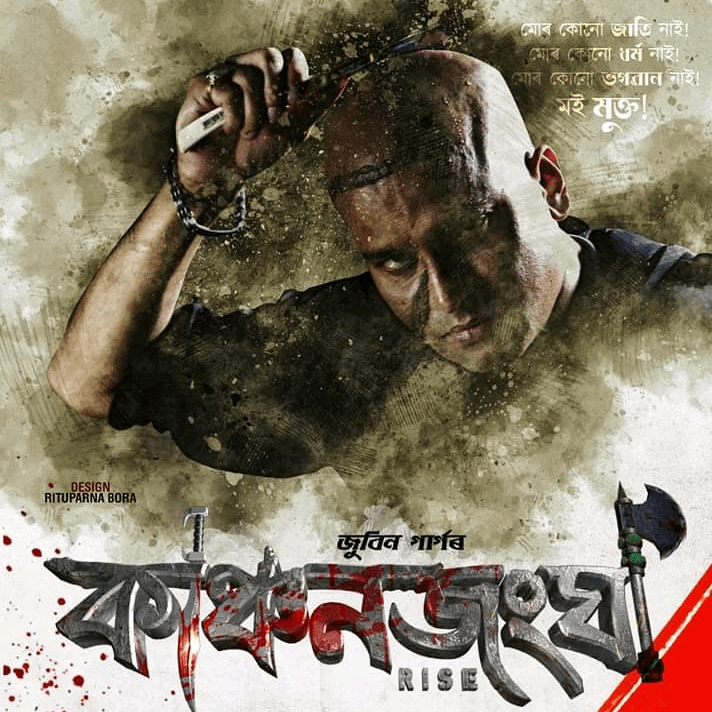
Zubeen wrote poetry, penned columns, and was an active presence on social media, often using his platform to encourage youth and critique regressive social norms. Fans regarded him not only as an entertainer but as a mentor, revolutionary, and voice of conscience.
Legacy and Influence
Zubeen Garg is survived by his family, friends, innumerable collaborators, and, most importantly, the lakhs of fans whose lives he shaped through his art. The news of his passing has led to an outpouring of grief; tributes have flooded social media, and radio stations across the Northeast are playing his songs in his honor.
The loss of Zubeen Garg has left the Assamese community devastated. For many, it feels like losing a family member, a voice that carried their joys, sorrows, and cultural identity.

- The Government of Assam declared three days of state mourning (20–22 September) to honor him. Flags were flown at half-mast, and official events were suspended.
- Schools postponed their half-yearly exams until after his cremation, recognizing the depth of public grief.
- The Assam Public Service Commission rescheduled interviews and recruitment drives.
- Chief Minister Himanta Biswa Sarma called Zubeen “one of Assam’s favourite sons” and “Assam’s favourite rockstar,” describing the loss as irreparable.
- Prime Minister Narendra Modi also expressed sorrow, remembering Zubeen for his soulful music and pan-Indian impact.
The trauma of this incident runs deep. His songs had been an inseparable part of Assamese lives for decades. Social media flooded with tributes, radio stations played his tracks nonstop, and countless people broke into tears recalling personal memories connected with his music. The grief has been collective, raw, and overwhelming, a testament to how deeply embedded Zubeen was in the cultural fabric of Assam.
Death Time and Circumstances
On 19 September 2025, while in Singapore, Zubeen Garg suffered a tragic accident during a sea outing. He reportedly removed his life jacket while swimming and experienced severe breathing difficulties. Despite CPR efforts, he was declared dead at around 2:30 PM IST at Singapore General Hospital. News of his passing spread like wildfire, shaking not just Assam but the entire country.
A Final Goodbye
Goodbyes are never easy, especially when a soul so vibrant, passionate, and humane as Zubeen Garg leaves us. Perhaps the most fitting memorial to Zubeen is not silence but song. Play his music, sing his lyrics, share his movies, read his poems. Celebrate his legacy by supporting the art, culture, language, and social issues that were so dear to his heart.
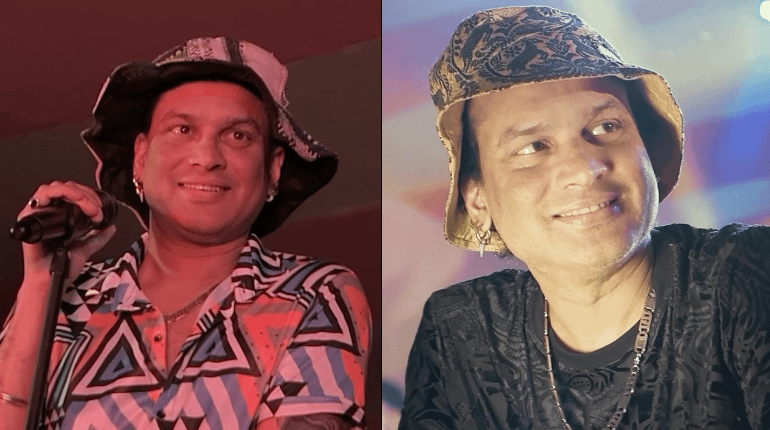
The stages where he once performed may fall silent for now, but the echoes of his melodies will linger forever. As we say our final farewell, we remember and honor a man who—true to his words and his music—belonged to everyone.
Zubeen Garg may be no more, but the song goes on.